Source Silicone Fan Damping Screws for Automotive, Chassis, and Case Fans
Compare 30 listings for silicone fan damping screws designed to reduce noise and vibration in automotive, chassis, and case fans. These customized rubber screws offer anti-vibration features, various hardness levels, and OEM/ODM services to meet specific industrial and electronic cooling requirements.
Key considerations
Products List






Comprehensive Sourcing Guide
Silicone Fan Damping Screw Sourcing Guide
Procuring silicone fan damping screws requires distinguishing between generic fasteners and specialized vibration-dampening components designed for specific thermal management needs. The observed market listings indicate these products are primarily engineered for automotive fans, chassis cooling systems, and computer case applications where noise reduction is critical. Buyers must recognize that while the core function remains consistent, the specific rubber formulation and structural geometry vary significantly to address different vibration frequencies and environmental stresses.
Sourcing decisions should prioritize suppliers who explicitly offer customization services, as standard off-the-shelf options rarely meet the precise mounting requirements of modern electronic and industrial cooling systems. The available data confirms that these components are frequently supplied with custom sizes, tailored shapes, and personalized rubber formulas to optimize damping performance. Consequently, buyers should focus their search on manufacturers capable of producing molded parts based on specific engineering drawings rather than relying on fixed catalog inventories.
Product Scope and Observed Listing Signals
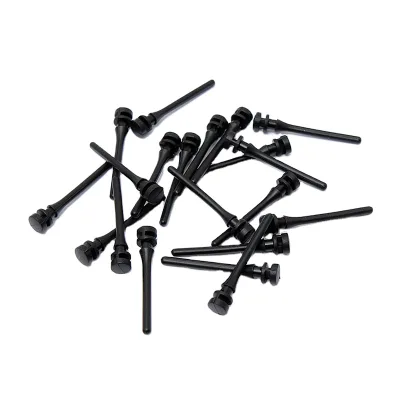
The product scope for silicone fan damping screws encompasses a variety of configurations, including round head styles and special groove shapes designed to fit specific metal frame layers. Listings frequently highlight features such as anti-vibration capabilities and noise reduction, which are essential for maintaining the acoustic performance of cooling fans in vehicles and household appliances. The material composition is consistently identified as silicone rubber or synthetic rubber, ensuring the components can withstand the thermal and mechanical demands of continuous operation.
Buyers should carefully evaluate the listed product attributes to ensure they match their specific assembly requirements, as the market offers diverse options ranging from simple rubber feet to complex sealing screws. Observed signals indicate that these items are often packaged in carton boxes and may feature custom logos or colors to align with brand identity. It is crucial to verify that the listed "mounting" or "connection" type, such as common bolts, aligns with the existing hardware in your design to prevent compatibility issues during installation.
Technical Specifications to Verify
Technical verification must begin with the physical dimensions, as the observed listings specify sizes like 23*20mm or fully customized dimensions based on customer drawings. The hardness of the silicone rubber is a critical parameter, with observed ranges typically falling between 30-40A, which directly influences the damping efficiency and resistance to deformation under load. Buyers should request detailed cross-section profiles, such as the mountain type circle or tailored shapes, to ensure the component provides the necessary seal and mechanical stability for the intended application.
Beyond geometry, the material properties and performance characteristics must be rigorously checked against the specific environmental conditions of the end product. The observed data highlights features like corrosion resistance, heat resistance, and electrical insulation, which are vital for components operating in industrial or automotive environments. Procurement teams should confirm that the supplier can provide the exact rubber formula required for your application, as generic compounds may not offer the high damping performance or longevity needed for critical cooling systems.
Compliance and Safety Documentation
Compliance verification is essential for silicone fan damping screws intended for use in regulated industries such as automotive and medical devices. The observed listings indicate that suppliers often provide certifications including ISO, RoHS, CE, and GS, which serve as baseline indicators of quality management and material safety. Buyers must ensure that the specific batch of components being sourced carries the relevant test reports for substances like Reach, Pops, PAHs, and TSCA to guarantee they meet international environmental and safety standards.
In addition to material certifications, the manufacturing process itself must adhere to strict quality control protocols to ensure consistent product performance. The available information suggests that reputable suppliers conduct in-plant inspections including FAI, Type Approval Tests, IPQC, and OQC to validate that every unit meets the specified design and safety requirements. Procurement teams should explicitly request these test reports and certification documents before finalizing any order to mitigate the risk of non-compliant materials entering the supply chain.
Cost Drivers and Commercial Terms
Cost drivers for silicone fan damping screws are heavily influenced by the level of customization required, including unique mold development, specific rubber formulas, and tailored dimensions. While the observed price range spans from 0.01 to 80 USD, this variance reflects the complexity of the part rather than a standard unit cost, as custom molds and specialized materials significantly increase production expenses. Buyers should anticipate that lower MOQs, ranging from 1 to 1000 units, may carry a higher per-unit price compared to large-volume production runs that amortize tooling costs.
Commercial terms must be clearly defined to manage expectations regarding lead times and payment structures, as the observed lead time is approximately 7-15 days for standard orders. However, this duration can extend significantly if the project requires new mold creation or complex rubber formula development. Procurement strategies should account for these variables by negotiating clear delivery schedules and pricing tiers that reflect the volume and complexity of the order, ensuring that the total cost of ownership remains within budget constraints.
Supplier Qualification and Quality Control
Supplier qualification should focus on manufacturers with proven capabilities in OEM and ODM services, as these partners are better equipped to handle the customization demands of silicone damping components. The observed data highlights that successful suppliers often possess patents for high damping rubber and offer structure optimization services to enhance product performance. Buyers should verify that the supplier has a robust quality management system in place, evidenced by their ability to provide comprehensive in-plant inspection records and adherence to standards like ISO9001.
Quality control processes must be integrated into the procurement workflow to ensure that every delivered batch meets the stringent performance requirements of the application. Suppliers should demonstrate their ability to conduct rigorous testing, including type approval and final quality checks, to confirm that the rubber screws maintain their anti-vibration and noise-reduction properties over time. Establishing a clear communication channel for quality feedback and requiring pre-production samples can help identify potential issues before mass production begins, safeguarding the integrity of the final assembly.
Long-Term Procurement Checks
Long-term procurement success depends on establishing a reliable supply chain that can consistently deliver high-quality silicone fan damping screws as product designs evolve. Buyers should regularly review supplier performance against key metrics such as lead time adherence, defect rates, and responsiveness to customization requests. Maintaining a relationship with a supplier who offers personalized development on performance requests ensures that the components can be adapted to future design changes without requiring a complete supplier switch.
Continuous monitoring of material certifications and compliance status is also critical to avoid disruptions caused by regulatory changes or supply chain shifts. Procurement teams should schedule periodic audits or reviews to verify that the supplier continues to meet ISO, RoHS, and other relevant standards. By proactively managing these relationships and verifying ongoing compliance, buyers can ensure a stable supply of high-performance damping screws that support the reliability and safety of their cooling systems over the long term.
FAQs
What certifications do silicone fan damping screws have?
These screws hold ISO, GS, RoHS, and CE certifications. They also meet ISO9001 and SGS standards. Additional test reports include Reach, Pops, PAHs, and Tsca compliance to ensure safety and quality for automotive and industrial applications.
Can I customize the size and logo of these screws?
Yes, customization is available for size and logo. The product size follows drawing specifications or can be tailored. The logo is customizable, and the material is silicone rubber with a hardness of 30-40A for specific performance needs.
What is the lead time for ordering these rubber screws?
The lead time is about 7 to 15 days. This duration applies to orders for silicone rubber screws used in fans and chassis. Customized orders follow the same timeline unless otherwise specified by the manufacturer for large volume requests.
Which applications are suitable for these silicone rubber screws?
They are suitable for automotive fans, chassis fans, and case fans. Usage extends to medical, household, electronic, vehicle, agricultural, and industrial sectors. The product effectively reduces noise and provides anti-vibration protection for cooling systems.
What material is used to manufacture these damping screws?
The primary material is silicone rubber. Some variants use synthetic rubber with a pad. The product features corrosion resistance, wear resistance, and heat resistance, making it ideal for demanding industrial and electronic environments requiring durability.
How are these products packed for shipment?
Products are packed in carton boxes or cartons. This packaging ensures safe transport for silicone rubber screws. The packing method supports various order sizes, from small custom runs to larger industrial component shipments requiring standard protection.
What is the minimum order quantity for these screws?
The minimum order quantity ranges from 1 to 1000 units. This flexibility allows buyers to order small custom batches or larger industrial quantities. Specific MOQs may vary based on customization requirements and the selected supplier capacity.